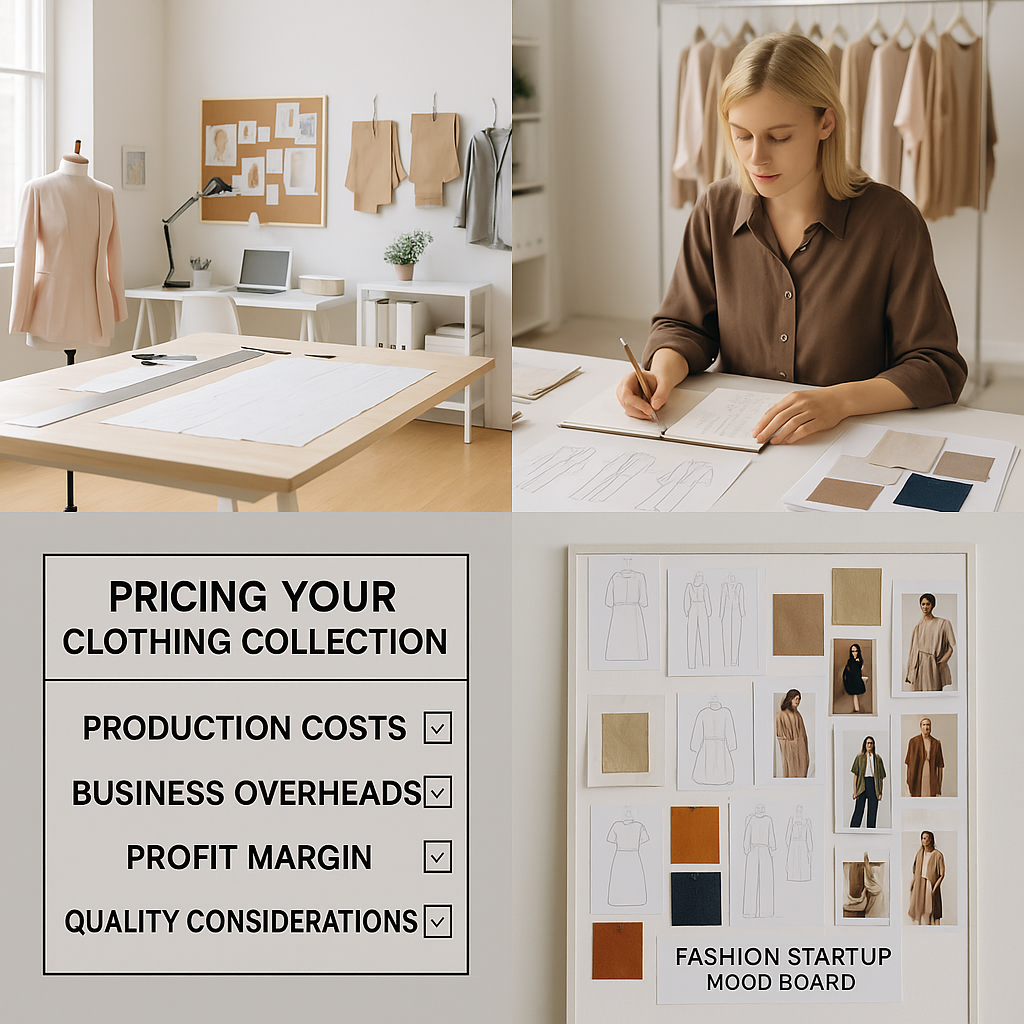
Launching a fashion brand in the UK is exciting, inspiring—and often overwhelming. Between pricing your garments, preparing tech packs, developing samples and planning your first collection, there’s a lot for new designers to navigate. This comprehensive guide breaks down six essential areas every fashion start-up needs to understand to build a profitable, high-quality, long-lasting brand.
1. How to Price Your Clothing Collection for Profit (Without Losing Quality) One of the biggest mistakes new brands make is pricing based on what feels right instead of using a proper cost structure. A well-priced garment must cover: ✔ Production costs Fabric, trims, labour, pattern cutting, sampling and manufacturing. ✔ Business overheads Studio rent, equipment, packaging, marketing and logistics. ✔ Profit margin Most UK brands aim for a 2.2–2.8 wholesale markup and a 4–6x retail markup depending on whether the product is luxury, premium or contemporary. ✔ Quality considerations Choosing better zips, premium fabrics or specialist finishing will raise your costs—but also increases the garment's value and its retail potential. 💡 Tip: Never reduce quality to lower price.
Instead, simplify the design (fewer panels, trims, or specialised techniques) to stay profitable without compromising craftsmanship. 2. Why Your First Collection Should Be Smaller Than You Think New designers often dream of launching with 20–40 styles.
In reality, the most successful startups begin with a focused capsule collection of 6–12 styles. Why small collections win: Lower upfront investment in sampling and production Less financial risk if a style underperforms Consistent branding that builds a clear identity Faster production times at UK factories Easier stock management and fewer sizing issues A tight collection keeps your message strong and your costs under control—crucial in the early stages. 3.
How to Prepare Tech Packs That Manufacturers Actually Understand Your tech pack is the blueprint of your garment. A clear, detailed tech pack saves time, prevents errors and reduces production costs. Every tech pack should include: Technical drawings (front & back flats) Fabric composition and GSM Trim list and hardware specifications Construction details Size chart Colourways Label/branding placements Print or embroidery artwork Packaging details ❗ Manufacturers don’t “guess”—they follow what you provide.
A missing detail = a delayed or incorrect sample. If you need help preparing professional UK-standard tech packs, I can create them for you. 4.
Essential Questions Every Fashion Brand Should Ask Before Production Before you begin production, ask these vital questions: About your design Is the garment functional and realistic to produce? Are the fabrics available in bulk consistently? About your manufacturer What are their MOQs (minimum order quantities)?
How many samples are included? What is their lead time? Do they specialise in your garment category (e.g., swimwear, tailoring, knitwear)?
About your business plan How many units can you realistically sell? Do you have a marketing plan ready before production begins? How will you handle returns, quality control and fulfilment?
Preparation prevents expensive surprises later. 5. The Most Common Sampling Mistakes That Delay Production Sampling is where most delays happen.
Here’s what to avoid: ❌ Changing designs halfway through Every change requires a new sample, increasing time and cost. ❌ Choosing the wrong fabrics Some fabrics behave differently during sewing and can create unexpected issues. ❌ Not providing clear measurements Without a proper size chart, fit approval becomes a long back-and-forth process. ❌ Rushing the process Luxury or structured garments may require 2–4 sample rounds. ❌ Ignoring feedback from your manufacturer Professionals know what is technically possible—trust their advice.